
 ,
,


Choose a location to show additional information about the capability themes explicitly described there. All capability themes remain visible.
 Paul Krugerstraat 362021 XN Haarlem
 info@the-owls-nest.nl
 +31 23 369 0 269Spaarndamseweg 120 A11-A122021 KA Haarleminfo@the-owls-nest.nl+31 23 369 0 269Tugelastraat 552021 TB Haarleminfo@the-owls-nest.nl+31 23 369 0 269
The Owl’s Nest brings together a growing set of technical, creative and practical capabilities. Each capability is a thematic area: a way to discover what kinds of projects, repairs, skills and activities can take shape through the wider model.
Select a location to highlight the capabilities that are explicitly described there, or leave the selector unchanged to explore the complete set. Capabilities can overlap, so related work may also be possible through another area.
Start with the capability that comes closest to what you want to make, repair, learn or explore. Its subpage explains the area in more depth and brings together the general theme, location-specific information and related workshops.

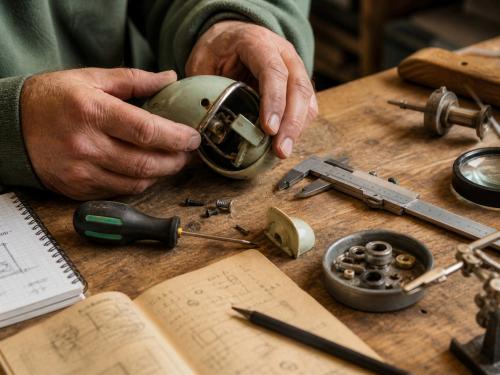
Repair, diagnosis, fitting and adaptation of varied objects and components.
For work that does not belong mainly to one specialist field.
This capability is explicitly described for the selected location.

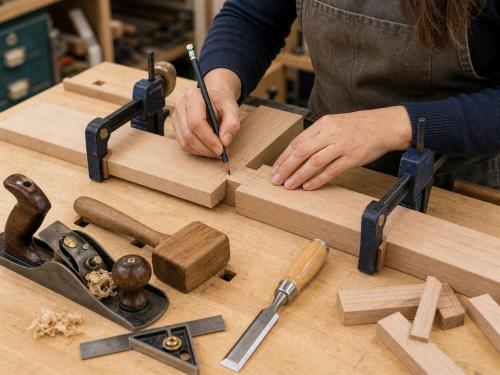
Working with wood through repair, handwork, shaping, joinery and construction.
From precise small-scale work to larger practical projects.
This capability is explicitly described for the selected location.

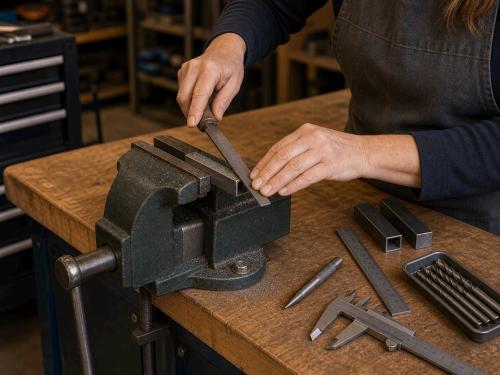
Measuring, cutting, drilling, grinding, shaping, fitting and machining metal.
For small parts, repairs, adaptations and fabrication work.
This capability is explicitly described for the selected location.

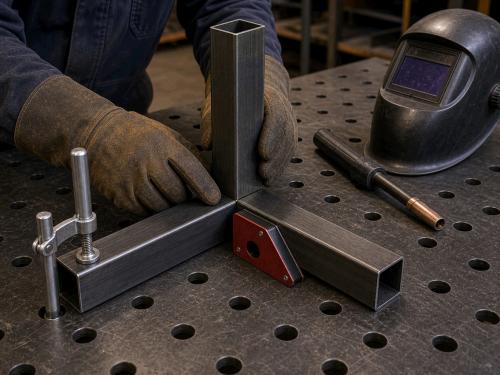
Joining and repairing metal using a welding process suited to the material and purpose.
With attention to preparation, fit, heat and safe working methods.
This capability is explicitly described for the selected location.

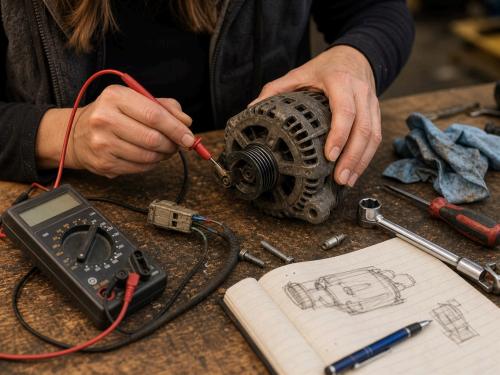
Maintenance, diagnosis, repair and adaptation of vehicles and components.
For small-scale automotive work, learning and careful collaborative projects.
This capability is explicitly described for the selected location.

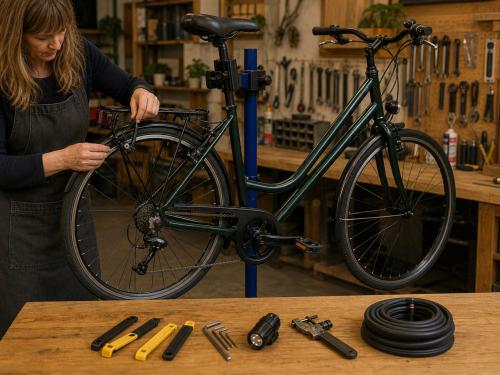
Maintenance, repair and adjustment of bicycles and related components.
From tyres, brakes and gears to lighting, accessories and small adaptations.
This capability is explicitly described for the selected location.

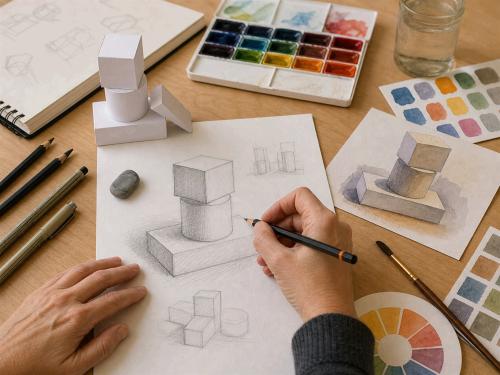
Drawing, painting, origami and other visual or paper-based work.
For exploring observation, composition, colour, form and visual ideas.
This capability is explicitly described for the selected location.

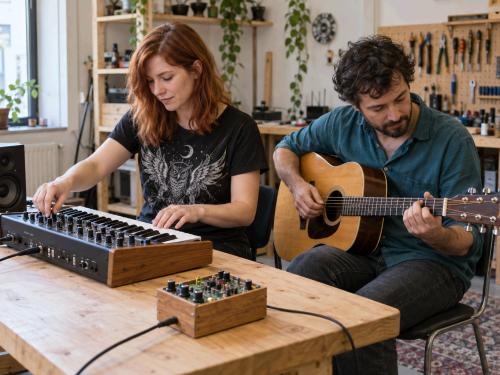
Making music, building instruments and experimenting with sound, technology and form.
From synthesisers, MIDI and self-built loudspeakers to acoustic instruments and making music together.
This capability is explicitly described for the selected location.

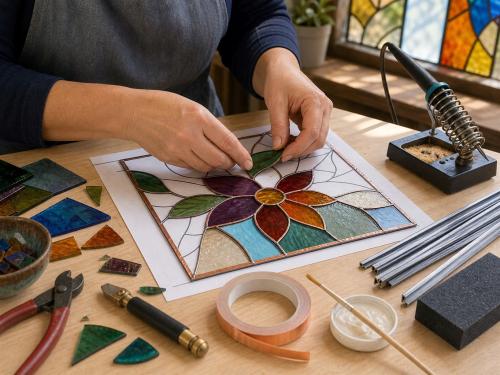
Glass art through stained glass, Tiffany, glass painting and related techniques.
Design, cutting, fitting, soldering, painting and heat-based processes come together.
This capability is explicitly described for the selected location.

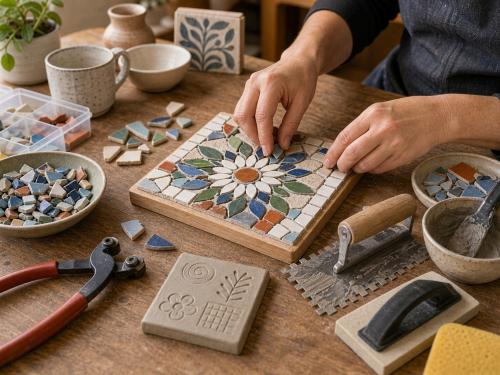
Working with ceramic materials through mosaic and other making techniques.
A broad area for pattern, material, construction, finishing and future ceramic activities.
This capability is explicitly described for the selected location.

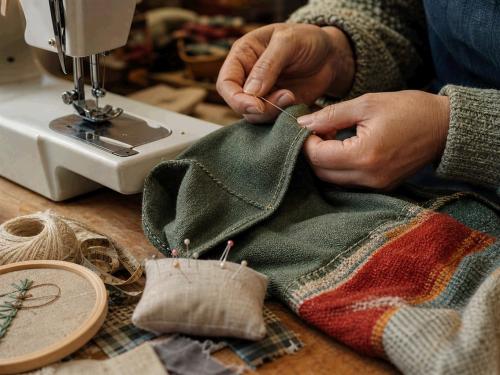
Repairing, altering and making with fabric, thread and yarn.
From clothing repair and sewing to embroidery, knitting and other textile work.
This capability is explicitly described for the selected location.

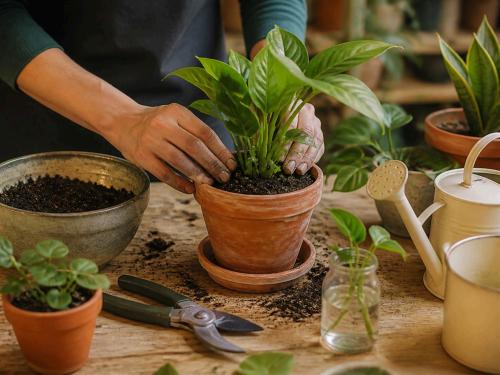
Practical knowledge about plants, care, soil, location and propagation.
From watering and repotting to pruning, cuttings and decorative arrangements.
This capability is explicitly described for the selected location.

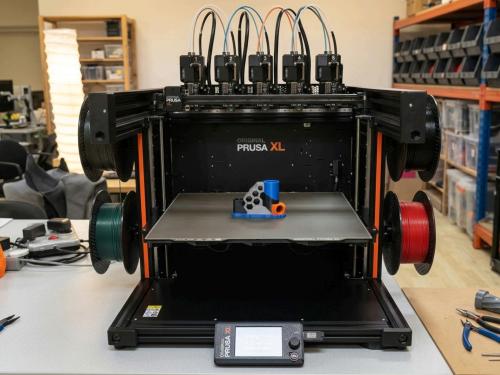
Designing and 3D-printing parts, prototypes, enclosures and practical tools.
From measuring and modelling to material choice, print settings and finishing.
This capability is explicitly described for the selected location.

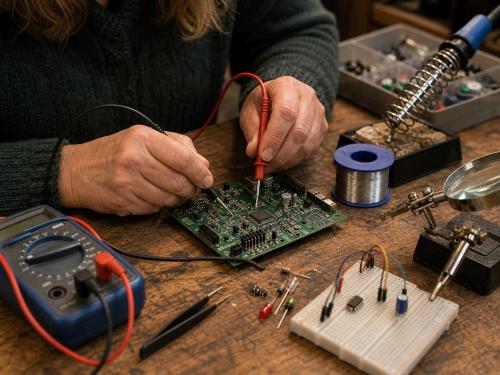
Building, measuring, investigating, repairing and adapting electronics.
From soldering and circuit-board work to sensors, controls and small development projects.
This capability is explicitly described for the selected location.

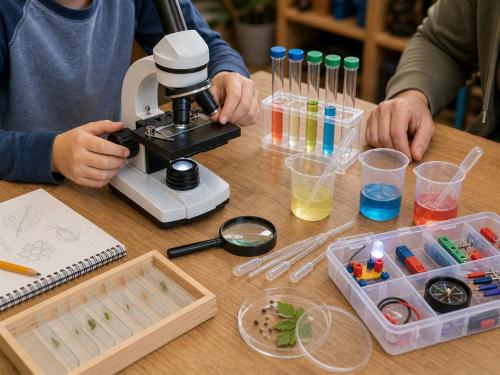
Observing, measuring and experimenting with substances, materials and physical phenomena.
From microscopy, filtration and distillation to pigments, resins and practical experimental setups.
This capability is explicitly described for the selected location.


Working with websites, software, data, accounts, systems and digital design.
With attention to understanding, ownership, documentation and sustainable technical choices.
This capability is explicitly described for the selected location.


Meeting people, informal contact and doing things together.
From a place to quietly have coffee to activities that create recurring contact in the neighbourhood.
This capability is explicitly described for the selected location.
You do not need to identify the exact technique, tool or type of support before choosing a page. Begin with the capability that best represents the main subject of your interest.
A project may belong to more than one area. A bicycle-light repair can involve both bicycles and electronics; a mosaic can connect ceramics with visual arts; and a replacement part may combine general repair with 3D printing. The capability pages provide several useful ways into the same wider network.
The same capability can take a different form at each location. One place may emphasise fine handwork or diagnosis, while another has room for larger work, a particular machine or a guided activity.
The selector shows which locations explicitly describe a capability. This is a guide to the information currently published, not a rigid boundary between everything that is and is not possible. The location-specific section on each capability page gives the more precise local interpretation.
A capability describes a coherent area of making, repair, learning or exploration. It does not promise every technique, machine, material, repair or scheduled activity within that area. The suitable approach still depends on the project, the people involved, safety, available space and the local form of the capability.
For general principles around equipment and responsible use, see Tools and machines. For the complete local setting, see Locations. Guided activities are listed under Workshops, while longer practical development can begin through Learning and rebuilding.
Finding a capability that interests you does not commit you to a particular route. You may bring your own project, join a workshop, learn through repeated practical activity, volunteer around an area you know or begin with a conversation about what would be suitable. See Use the workshop, Volunteering or Make an appointment to continue.
Copyright © 2026, ASK-Solutions · The Owl’s Nest is an initiative of ASK-Solutions


 Privacy Policy