
 ,
,


Choose a location to show additional information about the workshops explicitly described there. All workshops remain visible.
 Paul Krugerstraat 362021 XN Haarlem
 info@the-owls-nest.nl
 +31 23 369 0 269Spaarndamseweg 120 A11-A122021 KA Haarleminfo@the-owls-nest.nl+31 23 369 0 269Tugelastraat 552021 TB Haarleminfo@the-owls-nest.nl+31 23 369 0 269
 A workshop brings explanation and practical work together around a recognisable subject. The purpose is not only to complete an exercise or make an object, but to help participants see how a process works, recognise important choices and begin using the knowledge themselves.
Guidance remains close to the work. A demonstration can make a movement or sequence visible, while questions, repetition and feedback help turn instructions into practical understanding. The balance between explanation, demonstration and independent practice depends on the subject and the local workshop format.
Each workshop centres on a technique, process or practical question. A clear focus gives participants enough structure to begin and connects explanation, tools, materials and practice around a manageable piece of work.
Some practical knowledge is easier to recognise in use than to capture in instructions alone. Working alongside someone can make pressure, timing, sound, resistance, sequence and correction easier to notice and discuss.
A workshop can stand on its own or provide a first step towards continued practice. What someone can do afterwards depends on the subject, the experience gained and the possibilities for continued practice at a location.
The overview below shows the workshop subjects defined within The Owl’s Nest. Without a location selection, the page presents the complete overview. Select a location to identify the workshops available there. Each card leads to a workshop page where the subject and its local implementations are described together.


 Mosaic combines pieces of tile, glass and other suitable materials into a composed pattern, image or surface.
This workshop has a local implementation at the selected location.

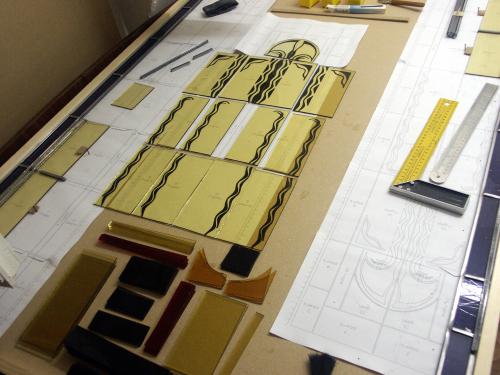 Stained glass centres on cutting and fitting glass, setting the pieces in lead and finishing the assembled work.
This workshop has a local implementation at the selected location.
 The Tiffany technique uses cut and ground pieces of glass, wrapped in copper foil and joined together by soldering.
This workshop has a local implementation at the selected location.
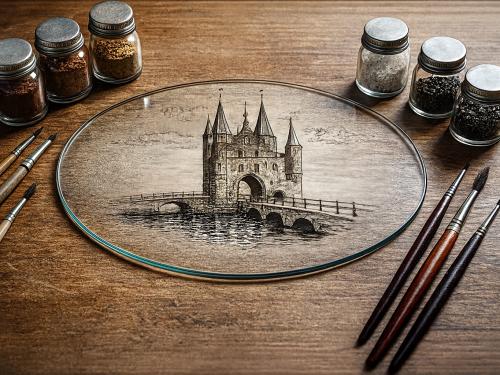 Kiln-fired glass painting combines design and painting on glass with kiln firing to incorporate the painted work into the glass.
This workshop has a local implementation at the selected location.
 Drawing develops observation and the construction of shapes, objects and images through line, proportion and simple forms.
This workshop has a local implementation at the selected location.


 Electricity introduces the basic principles behind electrical systems and how they can be recognised, investigated and approached safely in practical work.
This workshop has a local implementation at the selected location.


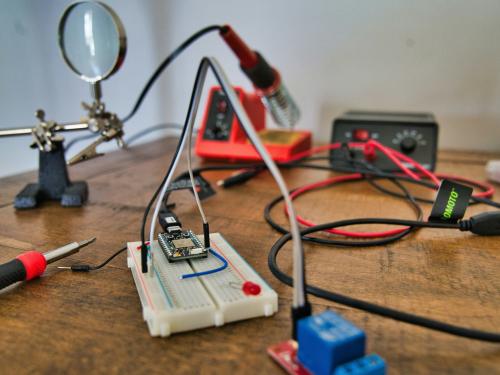 Soldering centres on making and assessing electrical connections, with attention to preparation, heating, the solder joint and inspection.
This workshop has a local implementation at the selected location.

 Digital self-reliance helps people become more independent with computers, internet, accounts, files, settings and common digital questions.
This workshop has a local implementation at the selected location.

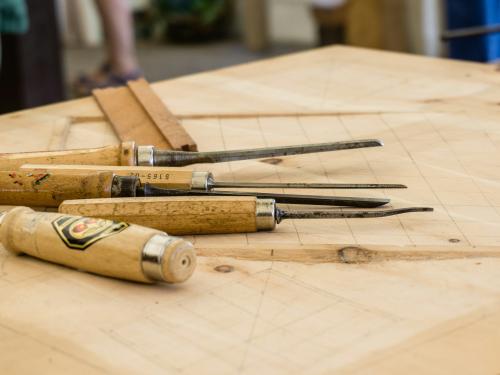 Woodworking brings together measuring, marking, cutting, shaping, fitting and other practical techniques for working with wood.
This workshop has a local implementation at the selected location.
Each workshop brings guidance, practical activity and a particular subject together. How that is organised depends on what is being learned, the tools and workspace involved, the people taking part and the possibilities of the location. Some subjects work well as a compact introduction, while others benefit from a longer working period or several connected sessions in which skills can develop step by step.
The workshop page describes the subject and the practical learning involved. Selecting a location adds the local implementation: where the workshop takes place, how it is organised there, its duration or number of sessions, available places, materials, costs and other arrangements that are specific to that location.
Already have your own project and mainly need a suitable place, facilities or occasional practical input? Using the workshop gives you room to work at your own pace.
Practical learning can also continue over a longer period, with more room for repetition, building skills and developing confidence through ongoing activity.
For details about a particular workshop, first open its workshop page and select the relevant location. For broader questions, you can use the contact form.
Copyright © 2026, contributors to The Owl’s Nest · Powered by Nocterra 


 Privacy Policy