
 ,
,


At the moment, you can use {capability.name} at one location. Below you’ll see what’s usually possible there, which facilities are available, and what you can arrange in terms of materials or consumables.
 Tugelastraat 552021 TB Haarlem
 info@the-owls-nest.nl
 +31 23 369 0 269
 Workshop electricity
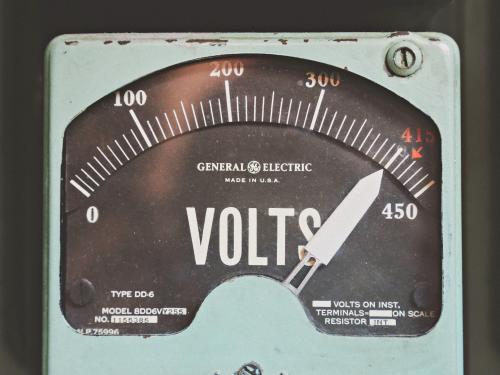 With simple electrical jobs, you work with parts such as a cord, plug, lamp holder, switch or connector. You look at how such a connection is built, how the wires run and how to fit, replace and check parts safely.
That is useful for small electrical jobs around the house, such as fitting a new cord to a lamp, replacing a plug, connecting a lamp holder, checking a simple switch or tracing a small fault. This workshop is about that kind of basic work and small repairs, not heavier installation work.
At Tugelastraat, the electricity workshop is given as a practical workshop activity at a table and workbench. You work with parts in your hands: cord, plug, lamp holder, switch, connector, measuring tools and simple examples to practise on.
You begin with safe working, recognising parts, stripping wires, making good connections and checking whether a connection is correct.
If you want to continue afterwards, extra sessions can be arranged for more practice or for working on your own small electrical project.
This first workshop is for people who want to understand the basics of electricity better and do not want to keep guessing when dealing with a plug, lamp or switch. You do not need experience. We start with simple examples and with the question of what you can safely do yourself. This is about basic work and small repairs, not heavier installation work.
If you want to continue after that first session, you can. That might mean more practice with measuring, troubleshooting or fixing up small electrical work that you bring with you.
In the workshop, you work with real parts and simple practice setups. You look at how a connection is built, practise stripping and joining wires, and then check whether everything is correct. We also use measuring tools to check voltage, continuity or faults where that fits the exercise.
You might, for example, work on a lamp with a new cord, a plug, a lamp holder, a simple switch or a small extension lead. You may also bring your own small item, such as a lamp or cord with a clear fault, as long as it fits this kind of basic work.
You practise safe working, recognising parts, understanding a diagram or connection, stripping wires, making connections, testing and troubleshooting.
The workshop is useful for simple repairs and small electrical jobs around the house, but also for people who want to better understand what they are doing before they connect something themselves.
| Length | By arrangement |
|---|---|
| Sessions | One workshop session |
| Group | Small group or individual, by arrangement |
| Individual | Yes |
| Where | At The Owl’s Nest – Tugelastraat |
| Age | Ask about suitability |
| Experience | No experience needed |
| Planning | By appointment; no fixed workshop schedule |
| Included | Use of tools, practice materials and simple parts for the workshop |
| Materials | Cord, plugs, switches, connection materials and measuring tools; your own material by arrangement |
| Result | Exercises, a better understanding of simple electrical connections and possibly a small working practice piece or repaired part |
| Price | By arrangement Ask about the electricity workshop |
If you mainly want to learn something around your own lamp, cord or small fault, mention that when you get in touch. Then we can see whether it fits the workshop.
If you want more than a single workshop and would rather keep learning through regular practical work, have a look at Learning and rebuilding.
Already have your own project and mainly need workspace, tools or occasional practical help? See how using the workshop works.
See the other technical and practical possibilities within The Owl’s Nest.
Copyright © 2026, contributors to The Owl’s Nest · Powered by Nocterra 


 Privacy Policy