
 ,
,


 Gardening
At the moment, there is no location available for gardening. We’re working to make this possible again soon. Keep an eye on the website or get in touch for the latest status.
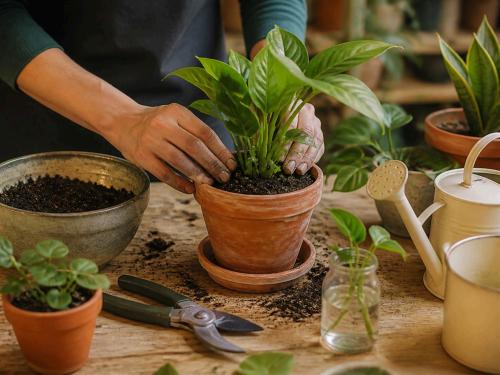 Gardening brings together observation, care and practical knowledge about living plants. It can involve understanding watering and light, choosing a suitable soil or location, repotting, taking cuttings, pruning growth or making an arrangement from plant material.
The capability is broader than maintaining one particular garden. It can apply to indoor plants, containers, small outdoor spaces, propagation and creative seasonal work. Select a location to see its local interpretation.
Plant care is not a fixed list of actions that applies equally to every species. Water, light, warmth, space and nutrition depend on what the plant is, where it grows and how its condition changes over time.
Useful care begins with observation: soil moisture, leaves, new growth, roots, pests and the way the plant responds to its position. Watering more often is not always the solution; a plant may instead need different drainage, soil, light or room for its roots.
Learn to judge when and how thoroughly to water, and how the pot, soil, season and species affect drying.
Choose a pot and soil mixture that fit the plant, improve drainage or provide room without simply moving to the largest container.
Some plants can be propagated from stems, leaves, division or other cuttings. Method and conditions influence whether new roots can form.
Remove damaged growth, control size or encourage branching according to the species and purpose rather than one universal rule.
A plant is more likely to remain healthy when its needs fit the place where it will live. Light direction, temperature, wind, available space, access to water, pets and the time someone can realistically spend on care all matter.
Species selection is therefore part of practical gardening. An attractive plant may still be unsuitable for a dark room, exposed balcony or fast-drying container.
Living plants, cut branches, leaves, flowers and other natural materials can be arranged for a season, celebration or particular place. Colour and form matter, but so do support, moisture and how the materials change over time.
Bring photographs of the whole plant and close-ups of leaves, stems, soil and visible damage. Explain where it stands, how much light it receives, how it is watered, which pot and soil are used and when the change first appeared.
When bringing a plant or cutting, package it so soil, water, pests and fragile growth remain contained. Gardening can connect with Visual arts through arrangements, Woodworking through planters and supports, and longer practical learning through Learning through practice.
Copyright © 2026, ASK-Solutions · The Owl’s Nest is an initiative of ASK-Solutions


 Privacy Policy