
 ,
,


 Glass art
Choose a location to see what’s possible there for glass art, which facilities are available, and what’s useful to coordinate in advance.
 Paul Krugerstraat 362021 XN Haarlem
 info@the-owls-nest.nl
 +31 23 369 0 269Spaarndamseweg 120 A11-A122021 KA Haarleminfo@the-owls-nest.nl+31 23 369 0 269
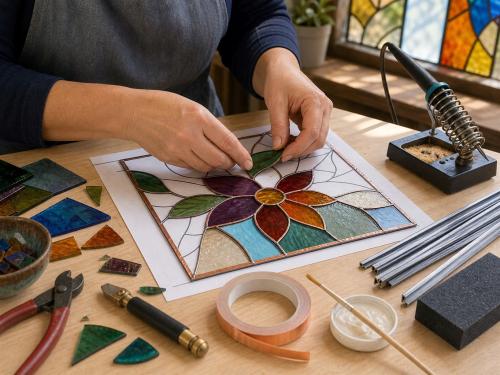 Glass art combines design with a material that changes through cutting, grinding, fitting, soldering, painting or firing. The capability can include classic stained glass with lead came, Tiffany work with copper foil, kiln-fired glass painting and related techniques.
These processes use different tools, materials and safety arrangements. A location may support only part of the wider capability. Select a location to see its local form and related workshops.
Pieces are cut and fitted into lead came, the joints are soldered and the panel is finished. Accuracy in the pattern and fit affects the complete structure.
Glass pieces are ground to fit, wrapped in copper foil and joined with solder. The method supports fine shapes, ornaments and three-dimensional work.
Glass pigments and frit can be applied in layers and fired into the glass. Line, tone and colour change through both application and heat.
Where a suitable kiln setup is available, heat can fuse glass or allow it to slump into a form. Compatible glass and controlled firing schedules matter.
A glass project often begins with a drawing or pattern. The design must account for the method: a line in a stained-glass pattern may become a lead profile, while a Tiffany piece needs enough space for foil and solder. Curves and small details affect how easily a piece can be cut and ground.
Glass is selected, marked, cut and adjusted; components are organised so their position remains clear; and only then are they assembled, soldered, painted or fired. Rushing an early step usually creates difficulty later.
Glass edges, soldering, lead, pigments, solvents and kilns introduce different safety considerations. The exact protective measures and materials depend on the technique and should be understood before work begins.
Preparation can also involve Science and experiments when pigments, metal salts, resins or etching processes are investigated.
Paul Krugerstraat is used for stained-glass, Tiffany and related guided glass activities where a group or individual needs table space, explanation and a shared making environment. Small pieces can be completed in a workshop session, while larger panels or detailed projects are normally spread over several planned sessions.
Activities can include preparing a pattern, cutting and fitting pieces, working with lead came or copper foil, soldering joints and finishing a panel. In a defined workshop, the necessary tools, safety equipment and basic materials are prepared for the session.
For classic stained glass, basic workshop materials can include glass, lead came, solder and putty or sealant. Tiffany work uses copper foil and solder instead. Larger pieces, exact colours and specialist glass remain project-specific.
Specialist glass tools are shared within the location network and should not be assumed to be permanently laid out at Paul Krugerstraat. Coordinate individual work so cutters, grinders, lead tools and the required materials can be prepared.
Spaarndamseweg is the fixed appointment-based base for much of the glass cutting and grinding equipment. Its local body on the Glass art page describes that setup in more detail.
Bring your own glass and project-specific materials for an independent project. Transport existing panels and loose glass carefully and mention whether the work uses lead came, copper foil or an existing piece that needs repair.
Spaarndamseweg is the fixed appointment-based base for much of the practical glass-art equipment. The calmer setting is useful for cutting, grinding and fitting pieces, preparing a panel and carrying out ordered multi-step work without needing to clear the table for drop-in activity.
The local equipment includes a broad selection of glass cutters and a Kristal glass grinding machine. Hand tools include lead knives, glass hammers, grozing pliers, a badger-hair brush, other brushes, sticks and scribes.
This supports stained-glass and Tiffany preparation, accurate fitting and repair work on manageable pieces. Tools are used after explanation because glass edges and fragments require controlled handling.
A small stock of lead came profiles may be available for leaded work. Bring your own glass and any exact colour, texture, thickness or special lead profile required for the project. Leftovers and basic stock should not be treated as a reliable material catalogue.
For a repair, bring the existing panel or part well protected, together with photographs and any matching glass or lead already obtained.
The Hoaf Speedburn 2 kiln is not part of the current working setup, so kiln-fired glass painting, fusing and slumping are not available through this location at present. Metal oxides and glass frit were also not kept in stock. These techniques should only be treated as available when a location and related workshop explicitly describe them.
All glass work here is by appointment. For workshops or shared sessions that take place at Paul Krugerstraat, see its location page and the related workshops shown on the Glass art page.
The workshops below involve glass art. Which other capabilities are included varies by workshop.

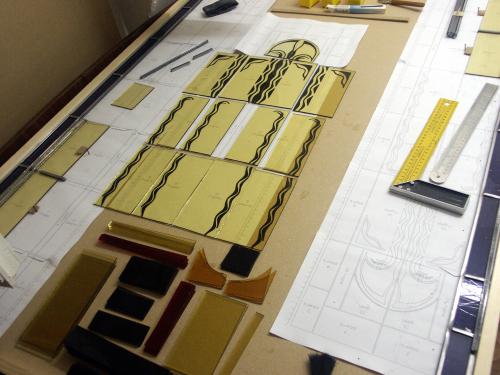 Stained glass centres on cutting and fitting glass, setting the pieces in lead and finishing the assembled work.
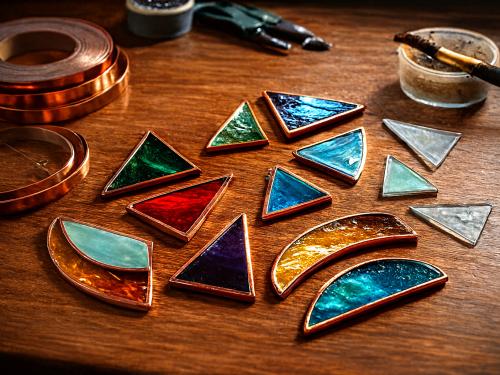 The Tiffany technique uses cut and ground pieces of glass, wrapped in copper foil and joined together by soldering.
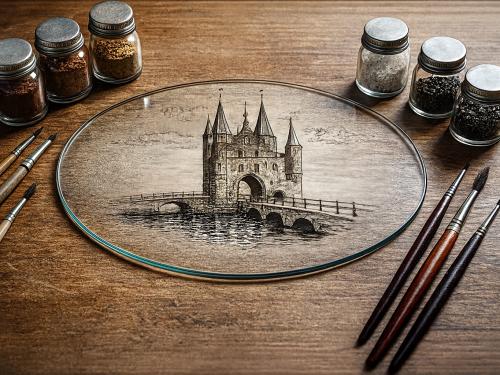 Kiln-fired glass painting combines design and painting on glass with kiln firing to incorporate the painted work into the glass.
Below are projects in which visual arts plays a role. Projects are built up and developed over time; how this capability is used or combined with other capabilities varies from project to project.
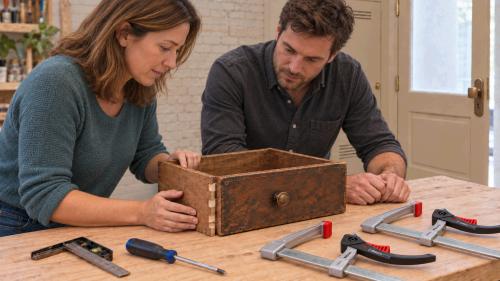
The repair project at The Owl’s Nest – Paul Krugerstraat brings together knowledge, ownership and reuse through practical and craft-based repair, from bicycles and small furniture to metalwork, stained glass and larger household appliances.
For personal projects, you usually bring your own glass and project-specific materials. Provide a drawing or reference, intended dimensions, information about where the finished work will be used and whether the project requires cutting, soldering, painting or kiln work.
Existing panels and repairs should be photographed before transport. Loose, sharp or fragile material needs suitable packaging. Glass art can also connect with Visual arts through drawing, colour and composition, and with Ceramics through mosaic.
Copyright © 2026, ASK-Solutions · The Owl’s Nest is an initiative of ASK-Solutions


 Privacy Policy