
 ,
,


 Visual arts
At the moment, you can use visual arts at one location. Below you’ll see what’s usually possible there, which facilities are available, and what you can arrange in terms of materials or consumables.
 Tugelastraat 552021 TB Haarlem
 info@the-owls-nest.nl
 +31 23 369 0 269
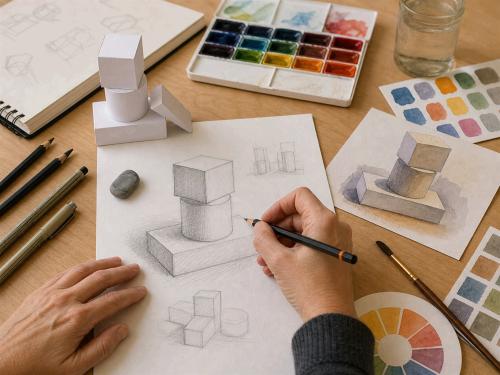 Visual arts covers drawing, painting, illustration, origami and other paper-based work in which observation, composition, colour and form are central. The work can stand on its own or help develop an idea for another practical project.
The capability is broader than one workshop or material. A location may emphasise drawing, painting, paper construction or sketches used within technical and creative projects. Select a location to see its local approach.
Drawing can begin with simple lines and basic shapes such as circles, cubes and cylinders. Those forms help position an object on the page and show volume through light and shadow. The aim is not to produce a perfect image immediately, but to make observation and decisions visible.
Practise line, proportion, construction and tone with graphite, pens, fineliners or other direct materials.
Explore colour, value, layers, edges and surface while allowing a work to develop through testing and adjustment.
Connect visual form with sequence, precision and three-dimensional thinking through folding and paper construction.
Not thinking of yourself as creative does not prevent you from beginning. A technique provides structure: how to use a material, build a shape, compare light and dark or fold a sequence accurately. Personal expression can develop while working rather than needing to be fully imagined in advance.
Mistakes, erased lines, test colours, unfinished studies and folded trials are part of the process. They provide information about what the hand, eye and material are doing. This makes visual work suitable both as a creative activity and as a way to practise attention, choice and completion.
A sketch can prepare a stained-glass pattern, mosaic, carving, textile design, enclosure or technical assembly. Drawing allows proportions and alternatives to be compared before material is committed. Colour and composition can also connect visual arts with Glass art, Ceramics and Textiles.
Tugelastraat provides a calm table-based setting for drawing, sketch development, origami and other small visual or paper-based work. It is particularly useful where someone wants time to observe, test an idea and revise it without the activity needing a large studio.
Basic drawing activities can use paper, graphite pencils, pens, fineliners and erasers. Work may begin with lines and simple shapes, continue into proportion and light and shadow, or develop into a more complete object, character or composition.
For a defined drawing workshop, basic materials are prepared. For personal work, bring any specialist paper, paint, ink, brushes or colour materials you specifically want to use.
A sketch can become a stained-glass pattern, mosaic layout, carved detail, enclosure or 3D model. This makes the location useful for comparing alternatives before committing glass, wood, ceramic pieces or printing time.
For glass and mosaic execution, the relevant local setups are described at Paul Krugerstraat and Spaarndamseweg.
Painting and paper construction remain part of the wider capability, but the presence of the badge does not imply a permanent stock of every paint, paper or specialist tool. Mention the technique and materials when making an appointment.
The workshops below involve visual arts. Which other capabilities are included varies by workshop.

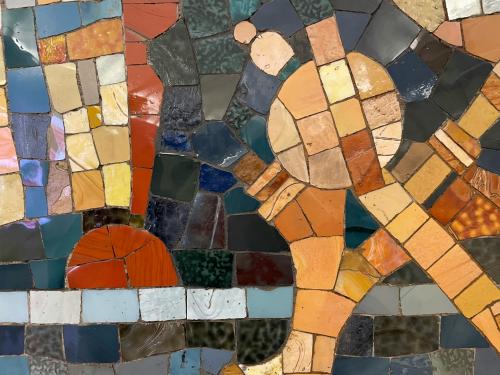 Mosaic combines pieces of tile, glass and other suitable materials into a composed pattern, image or surface.

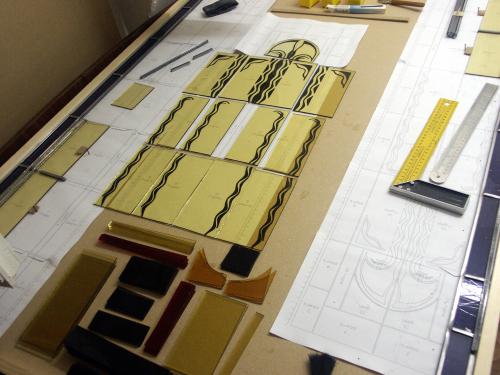 Stained glass centres on cutting and fitting glass, setting the pieces in lead and finishing the assembled work.
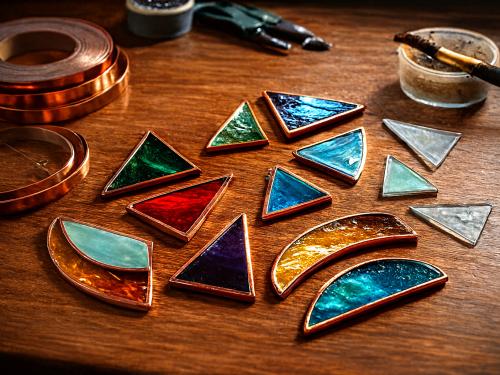 The Tiffany technique uses cut and ground pieces of glass, wrapped in copper foil and joined together by soldering.
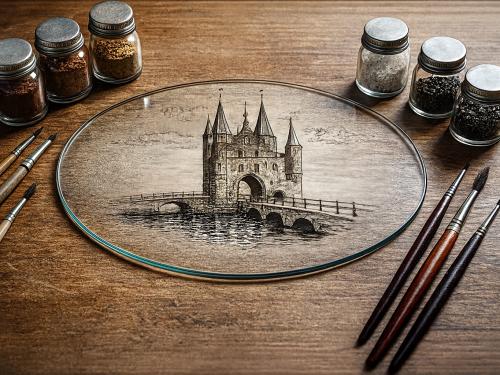 Kiln-fired glass painting combines design and painting on glass with kiln firing to incorporate the painted work into the glass.
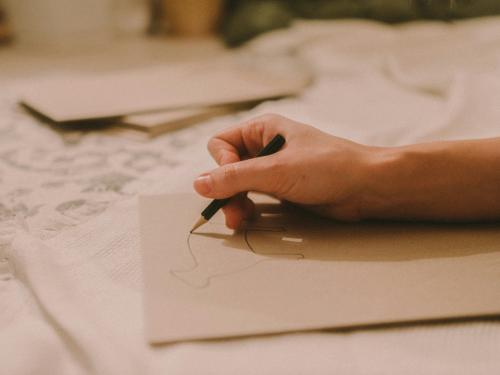 Drawing develops observation and the construction of shapes, objects and images through line, proportion and simple forms.
You may bring an idea, reference, object or existing sketch, but you do not need a complete design. Decide whether you want to practise a technique or work towards a particular result, which materials interest you and what size and duration would keep the project manageable.
For development through a longer creative project, see Learning through practice.
Copyright © 2026, ASK-Solutions · The Owl’s Nest is an initiative of ASK-Solutions


 Privacy Policy